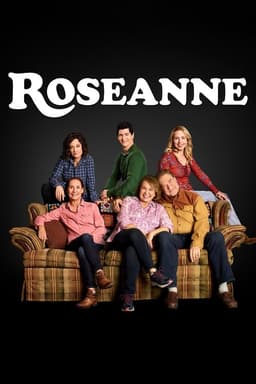
Roseanne
1988 · TV Series
Comedy
Roseanne looks like a standard family sitcom from the late 80s, but it's actually something rarer: a comedy that doesn't ask you to laugh at poverty or pretend financial stress is charming. This is what it actually feels like when parents worry about rent and kids wear hand-me-downs, delivered with enough genuine warmth to keep you watching instead of looking away.
How it feels
Like sitting in a neighbor's kitchen where people say what they actually think instead of what sounds nice. The humor comes from recognition, not ridicule—these are the jokes your family makes when no one else is listening. There's love here, but it's the kind that shows up in packed lunches made from leftovers, not grand gestures. The show respects both its characters and its audience enough to find comedy in real circumstances without making anyone the punchline.
What makes it heavy
The weight isn't dramatic—it's cumulative. Episode after episode of small compromises, delayed dreams, and conversations about money that never quite get resolved. The heaviness lives in how familiar it all feels: the way parents fight about bills after the kids go to bed, how teenagers navigate shame about not having what their friends have, the exhaustion of working hard and still falling short.
Compared to shows you may know
-Full House → Where that show offered solutions, this one offers solidarity.
-The Cosby Show → Both celebrate family, but this one earned its warmth through struggle, not success.
-Malcolm in the Middle → Where that show made chaos feel cartoonish, this one makes it feel lived-in.
-All in the Family → Both tackle class honestly, but this one finds hope where the other found anger.
If Family Ties felt like aspirational comfort, Roseanne feels like actual comfort
Worth knowing
Anyone carrying financial stress or family shame might find this unexpectedly emotional. The show doesn't judge economic struggle, but it doesn't romanticize it either.