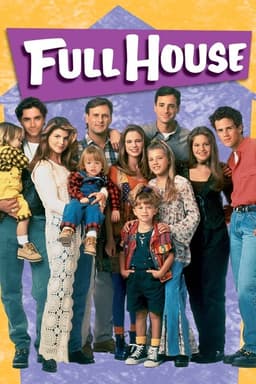
Full House
1987 · TV Series
ComedyFamily
Full House presents itself as a light family sitcom about three men raising three girls, but it's actually an emotional comfort blanket disguised as television. This is engineered wholesomeness that somehow feels genuine despite its obvious manipulation.
How it feels
Watching Full House is like being wrapped in the warmest possible version of childhood, even if your actual childhood was nothing like this. The show creates a sustained feeling of safety and uncomplicated love—every problem gets solved with a hug and a heart-to-heart talk in someone's bedroom. It's emotional junk food that somehow nourishes.
What makes it work
The show's genius lies in how it takes genuinely difficult situations—death, divorce, growing up—and processes them through the most optimistic possible lens. The grief that launched the whole premise gets absorbed into this universe where every family crisis can be resolved with patience and pizza night.
Compared to shows you may know
-Leave It to Beaver → Where that show felt scripted, this one feels like a real family that just happens to be impossibly functional.
-The Cosby Show → Both offer idealized family life, but this one acknowledges that families can be built from friendship, not just blood.
-Boy Meets World → Where that show focused on coming-of-age lessons, this one focuses on the safety net that catches you.
-Friends → Both are about chosen family, but this one never questions whether these people actually belong together.
If Friends felt like hanging out with people you wish were your friends, Full House feels like being adopted into a family you didn't know you needed
Worth knowing
People who struggle with overly saccharine content might find the relentless positivity grating. The show's determination to find silver linings can feel dismissive if you're processing real loss.