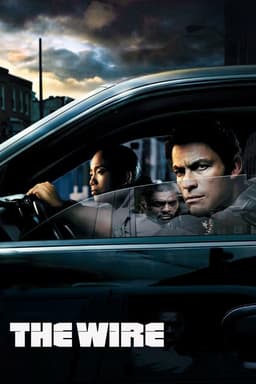
The Wire
2002 · TV Series
CrimeDrama
What looks like a cop show about drug dealers in Baltimore is actually an autopsy of how institutions fail the people they're meant to serve. The Wire doesn't follow heroes and villains—it follows people trapped in systems that grind everyone down equally, whether they wear badges or sell on corners.
How it feels
Watching The Wire feels like slowly understanding a machine designed to break people. Each season peels back another layer—schools, politics, media, docks—revealing how every part connects to crush individual hopes. It's not cynical so much as methodical, building a case that institutions matter more than intentions. The emotional weight accumulates like sediment, leaving you both devastated and oddly enlightened about how power actually works.
What makes it heavy
The show's genius is making you care deeply about characters it will inevitably sacrifice to prove larger points about systemic failure. Children become statistics, good cops become casualties, and reform efforts become co-opted. It's heavy because it feels true—not just about Baltimore, but about how bureaucracies everywhere prioritize their own survival over their stated missions.
Compared to shows you may know
-Breaking Bad → Where that show focuses on one man's transformation, this examines how systems transform everyone.
-Law & Order → Both show the justice system, but this reveals how justice itself becomes bureaucratized.
-The Sopranos → Similar in scope and character depth, but this indicts institutions rather than individuals.
-Homicide: Life on the Street → Both are Baltimore crime shows, but this connects street-level crime to boardroom-level decisions.
If The Sopranos felt like a family tragedy, this feels like an American tragedy
Worth knowing
The Wire demands patience—it builds slowly and rewards attention to detail. Viewers looking for traditional closure or heroes may find its institutional focus frustrating rather than illuminating.