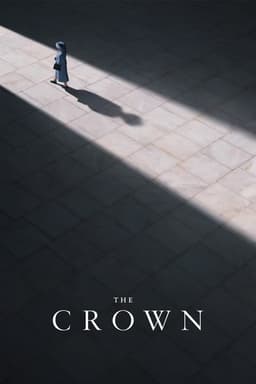
The Crown
2016 · TV Series
Drama
What looks like a stately historical drama about British royalty is actually a meditation on the weight of duty and the price of never being able to be yourself. The Crown follows Queen Elizabeth II across decades, but it's less about what she did and more about what she couldn't do.
How it feels
Watching feels like observing lives lived in a beautiful cage. There's a persistent melancholy that runs beneath the pageantry—moments where you see the person trapped inside the institution. It's not tragic in an explosive way, but in a quiet, accumulating way. You find yourself grieving for choices never made and words never spoken.
What makes it heavy
The relentless march of duty over humanity. Characters sacrifice their personal desires, relationships, and authentic selves for the sake of tradition and public service. The show explores how power isolates and how being born into privilege can feel like a prison sentence. Marriages strain under public scrutiny, and family members drift apart while the world watches.
Compared to shows you may know
-Mad Men → Where that show trapped characters in the expectations of their era, this one traps them in the expectations of their bloodline.
-Succession → Both examine powerful families, but this trades cynical power games for sincere duty and constraint.
-Downton Abbey → Where Downton celebrated tradition, this one questions what tradition costs the people who must embody it.
-The West Wing → Both show the machinery of power, but this focuses on the personal toll rather than the political idealism.
If Downton Abbey felt like nostalgia for a bygone world, this feels like mourning for the people who never got to leave it
Worth knowing
Those who struggle with themes of emotional repression or feeling trapped by family expectations might find this particularly affecting. The show's commitment to duty over personal happiness can feel suffocating.