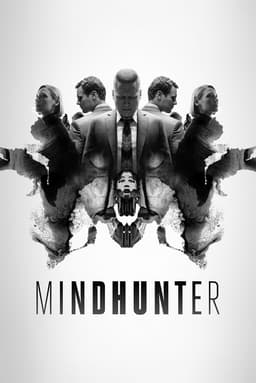
MINDHUNTER
2017 · TV Series
DramaCrime
MINDHUNTER presents itself as a procedural about catching serial killers, but it's actually a study in how staring into darkness changes the person doing the staring. This isn't about solving cases—it's about the cost of understanding monsters.
How it feels
Like sitting in a windowless room having calm, methodical conversations about the worst things people do to each other. The show maintains an academic distance that somehow makes everything more unsettling. You're not watching horror—you're watching smart people try to build a science around evil, and realizing that the process is quietly breaking them.
What makes it heavy
The weight comes from proximity to real evil without cathartic resolution. These aren't fictional monsters—they're based on actual killers who explain their thinking with chilling matter-of-factness. The show's clinical approach means the horror seeps in slowly, accumulating rather than shocking. You watch decent people change as they absorb this knowledge, and there's no clear endpoint where anyone feels better.
Compared to shows you may know
-True Detective → Where that show poeticizes darkness, this one treats it like data to be cataloged.
-Criminal Minds → Both profile killers, but this one focuses on how the work damages the profilers.
-The Silence of the Lambs → Similar FBI psychology, but this feels like the research phase before Hannibal Lecter.
-Zodiac → Both obsess over methodology, but this one is less about solving and more about understanding.
If CSI felt like solving puzzles, this feels like realizing the puzzle is solving you
Worth knowing
The conversations about violence are explicit and clinical rather than sensationalized, which can be more disturbing than typical crime drama. People sensitive to detailed discussion of sexual violence may find the academic approach particularly difficult.