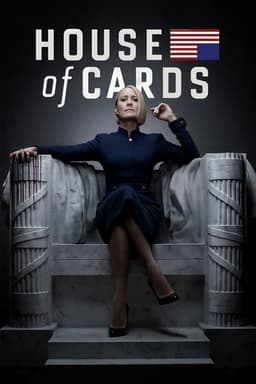
House of Cards
2013 · TV Series
Drama
A slick political thriller that presents itself as entertainment but gradually reveals itself as a masterclass in moral erosion. House of Cards follows Frank and Claire Underwood's ruthless climb through Washington's power structure, but what starts as vicarious thrills becomes something more unsettling as you realize you're rooting for genuinely terrible people.
How it feels
Watching House of Cards is like being slowly seduced by your own worst impulses. The show makes Frank's manipulation and Claire's cold calculation feel almost reasonable, then leaves you questioning your own moral compass. It's intellectually engaging but emotionally corrosive—you'll find yourself admiring characters you should despise, then feeling complicit in their choices.
What makes it heavy
The weight isn't in graphic violence or trauma—it's in the gradual normalization of corruption. Every episode chips away at the idea that good people can succeed in politics, that institutions matter, or that justice exists. The cynicism is so complete and convincing that it can leave you feeling genuinely hopeless about power structures in real life.
Compared to shows you may know
-The West Wing → Where that show celebrated idealism in politics, this one systematically dismantles it.
-Breaking Bad → Both follow moral decay, but Walter White knew he was becoming the villain—Frank Underwood thinks he's the hero.
-Succession → Where that family's dysfunction feels almost cartoonish, the Underwoods' cruelty feels chillingly plausible.
-Mad Men → Both explore moral ambiguity, but Don Draper had moments of genuine remorse.
If The West Wing felt like believing in democracy, this feels like watching it rot from the inside
Worth knowing
This might affect anyone who finds real-world politics already overwhelming or depressing. The show's cynical worldview can feel particularly heavy during election cycles or political upheaval.