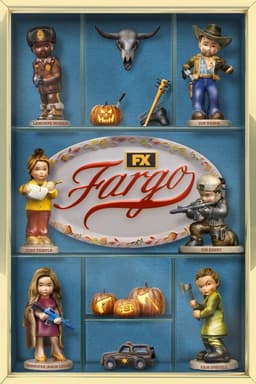
Fargo
2014 · TV Series
CrimeDrama
Fargo looks like a quirky Midwest crime show, but it's actually a meditation on how ordinary people become capable of extraordinary darkness. Each season follows different characters in different eras, all connected by the same unsettling truth: violence spreads like a contagion, and once it starts, it rarely stops cleanly.
How it feels
Watching Fargo is like being slowly pulled into quicksand while admiring the scenery. The show has a deceptively gentle pace and dark humor that makes terrible things feel almost absurd—until they don't. There's a persistent dread underneath the Minnesota nice exterior, a sense that you're watching decent people make choices that will destroy them. It's beautiful and horrible at the same time.
What makes it heavy
The weight comes from how believably normal people spiral into violence. These aren't hardened criminals—they're insurance salesmen, housewives, and small-town cops who find themselves in impossible situations. The show excels at showing how quickly life can unravel and how far people will go to protect themselves once they've crossed certain lines.
Compared to shows you may know
-Breaking Bad → Less about addiction, more about fate and coincidence destroying regular people
-True Detective → Similar darkness but with more dark comedy and less philosophical density
-The Sopranos → Criminal behavior but in small-town settings with more moral characters
-Better Call Saul → Similar moral descent but faster-paced and more violent
If True Detective felt like staring into the abyss, this may feel like accidentally falling into it
Worth knowing
People sensitive to realistic domestic violence or sudden brutal imagery may find this difficult. The show's tonal shifts can make traumatic moments feel especially jarring.