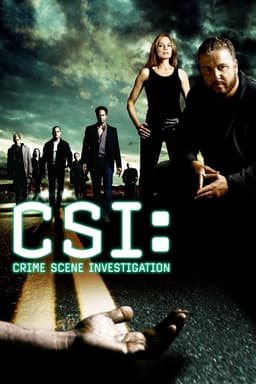
CSI: Crime Scene Investigation
2000 · TV Series
CrimeDramaMystery
CSI: Crime Scene Investigation looks like a straightforward police procedural, but it's actually a methodical examination of human cruelty delivered through the lens of scientific precision. The show treats violence as a puzzle to be solved rather than a tragedy to be mourned, creating an oddly detached viewing experience even when dealing with horrific crimes.
How it feels
Watching CSI feels like being a clinical observer rather than an emotional participant. The show maintains steady pacing and methodical investigation beats that create a sense of order being restored to chaos. There's satisfaction in watching pieces fall into place, but the emotional distance can make it feel cold despite the human suffering at the center of each case. The Las Vegas setting adds a peculiar brightness to dark subject matter.
What makes it heavy
The show presents graphic crime scenes and discusses disturbing methods of violence in matter-of-fact detail. Bodies are examined, wounds analyzed, and causes of death explained with scientific precision. The emotional weight comes less from shock and more from the accumulation of human darkness presented as routine. Victims often remain largely anonymous beyond their role in the investigative puzzle.
Compared to shows you may know
-Law & Order → Less courtroom drama, more focus on the clinical side of death
-NCIS → Similar procedural format but CSI feels more sterile and detached
-Bones → Both feature forensic science but CSI treats death as data rather than tragedy
-Criminal Minds → Less psychological profiling, more physical evidence analysis
If Bones felt academic, this feels almost surgical in its emotional remove
Worth knowing
People sensitive to graphic depictions of violence or death may find the clinical presentation unsettling rather than comforting.